
Choosing Hvac Systems With Dual Fuel Capability
Dual fuel HVAC systems provide efficient heating and cooling by utilizing two energy sources for optimal performance.
When it comes to keeping your home comfortable year-round, selecting the right HVAC system is crucial. One innovation gaining popularity is the dual fuel HVAC system, a hybrid solution that combines the best of both worlds—electric heat pumps and traditional furnaces. Let’s delve into what makes dual fuel systems appealing, how they work, and what you need to know about costs, particularly focusing on HVAC maintenance cost.
What is a Dual Fuel HVAC System?
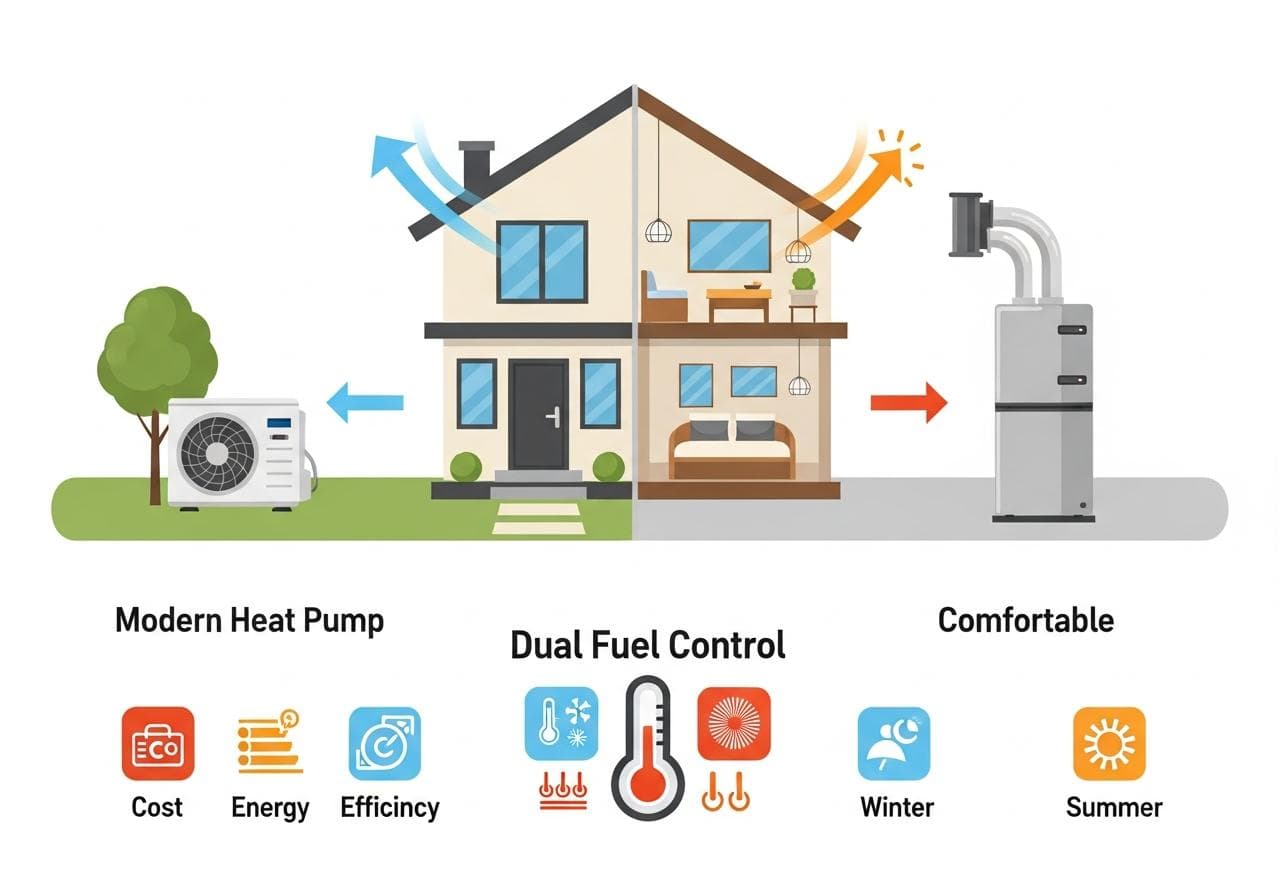
A dual fuel HVAC system utilizes two different energy sources to heat and cool your home. Typically, it pairs a heat pump with either a natural gas furnace or a propane furnace. When the temperature drops, the system automatically switches from the heat pump to the furnace, ensuring you remain warm without needing to sacrifice comfort for efficiency.
The beauty of this system lies in energy efficiency. Heat pumps are efficient, especially in mild weather, but when temperatures plunge, furnaces take over. This makes dual fuel systems ideal for climates with fluctuating temperatures or colder winters. To learn more about how dual fuel systems function, check out this helpful resource: Dual Fuel Systems Explained.
Understanding the Costs
When contemplating a dual fuel system, cost is a significant consideration. Dual Fuel HVAC costs can vary widely based on various factors like local prices for electricity and fuel, system components, and complex installation requirements. Typically, the dual fuel system price can range between $3,500 to $7,500, not including additional costs.
The investment in a dual fuel system also involves understanding individual component costs. A dual fuel furnace cost can range significantly, influenced by factors such as brand and efficiency rating. For instance, a high-efficiency natural gas furnace can cost anywhere from $2,000 to $5,000, depending on the model.
Meanwhile, the dual fuel heat pump cost is another vital component of your overall investment. These pumps vary in price based on efficiency ratings and capacity, generally ranging from $3,000 to $5,500, including the heat pump installation cost.
Several factors can influence the overall dual fuel system price, including:
- Energy source availability and pricing in your area
- Home insulation quality, affecting heating and cooling needs
- The complexity of installation, which can increase HVAC installation cost
- Local labor rates for installation
Considerations Beyond Initial Investment
While initial installation is a significant factor, homeowners should also consider the long-term implications, including HVAC maintenance costs. These costs usually span routine inspections, cleaning, and any necessary repairs. Regular maintenance can prolong your system's life and efficiency, offsetting higher initial investments over time.
Typically, HVAC maintenance costs can run between $150 and $400 annually, depending on your service provider and the condition of your unit. Regular maintenance helps identify problems before they escalate, keeping your dual fuel system running optimally. In addition, it's essential to keep track of your dual fuel system's performance, as steady and efficient operation can lower overall energy costs.
Eventually, there may come a time when your electric furnace needs replacement. This is another cost to consider when choosing a dual fuel HVAC system. Electric furnace cost can vary widely, averaging about $1,200 to $2,000 for a unit. However, it’s crucial to factor in installation costs, which once again can vary depending on local labor markets.
Alternatives and Comparisons
While dual fuel systems offer many advantages, it’s important to compare them with other options in the market. For instance, the hybrid HVAC system price may initially seem lower, but they often lack the efficiency and adaptability of a dual fuel setup. Understanding the Propane furnace price and natural gas furnace cost can also give you insight into which heating method might work best for you depending on your locality and energy sources.
For those considering a transition, several resources can provide guidance, such as a detailed breakdown of costs in the form of retrofitting. Check out this insightful piece about furnace-to-heat pump retrofitting: Heat Pump Retrofits.
Final Thoughts and Recommendations
In conclusion, while the dual fuel HVAC system may have a higher upfront cost, it can be a wise investment for homeowners looking to maximize efficiency while minimizing energy bills. The combination of reduced HVAC maintenance costs, lower energy consumption, and long-term reliability makes it a preferred choice for many. Just remember, it’s essential to consider other associated costs like the dual fuel furnace cost, heat pump installation cost, and the overall HVAC installation cost.
If you want to explore further options, consider dual fuel ranges like those from Wolf. You can learn more about featuring dual fuel technology in cooking appliances here: Wolf Dual Fuel Range.
Choosing an HVAC system is a long-term decision that requires careful consideration of your needs, budget, and regional climate. Using this guide should help you in making an informed choice about whether a dual fuel HVAC system is suitable for your home!
Related Posts

Ac Buying Tips To Choose The Right Unit
Consider size, energy efficiency, and features for optimal cooling and cost savings when purchasing.
Ac Compressor Issues Guide And Troubleshooting Tips
Common problems include clutch failure, refrigerant leaks, and internal damage, requiring diagnosis and repair.
Ac Cycling Problem Causes And Fixes
Frequent starts and stops, freezing coils, and poor cooling may indicate refrigerant leaks or airflow issues.